
TABLE OF CONTENTS
Nobody talks about Peruvian coffee. Colombian beans? Everyone knows those. Ethiopian if you’re trying to impress someone at a coffee shop. But Peru just quietly does its thing, making coffee that’s honestly better than half the stuff people rave about.
That’s changing though. In the last ten years, Peruvian coffee went from “never heard of it” to something specialty roasters actually get excited about. Once you try it, you get why.
Here’s what makes Peru coffee beans worth knowing about—whether you’re just curious or trying to figure out what separates good coffee from the mediocre stuff most offices serve.
What Makes Peruvian Coffee Exceptional?
Three things. Where it grows, how it grows, and how it tastes. Simple as that.
High-Altitude Growing Regions
Peruvian coffee grows ridiculously high up in the Andes. Like 1,200 to 2,000 meters up. Cold nights, thin air, volcanic soil. Everything about it slows down how the coffee cherries ripen.
Slow ripening turns out to be kind of a big deal. The longer coffee takes to develop, the sweeter and more complex it gets. Plus there are all these shade trees around the farms that filter sunlight just enough so the plants don’t get stressed. Nature basically set up the perfect conditions.
Altitude matters too. Higher up usually means brighter, more acidic coffee. Lower down gives you more body and chocolate flavors. But either way, you’re starting with solid beans.
Organic and Sustainable Farming Practices
Get this—about 25% of Peruvian coffee is certified organic. That’s huge compared to most countries. But it’s not because of some trendy marketing thing. It’s just how things work there.
Most coffee in Peru comes from tiny family farms. We’re talking a few acres that have been in the same family forever. They farm the way their grandparents farmed, which happens to meet organic standards without even trying. No chemicals. Old-school methods. Just coffee growing the way it always has.
People care about this now. Where coffee comes from matters to employees. When the office serves organic coffee from small farmers getting fair prices, that says something. Small thing, but it adds up.
Distinctive Flavor Profiles by Region
Different parts of Peru taste completely different. Cajamarca gives you smooth, chocolate-y coffee with caramel notes. Easy drinking, works anytime. Cusco? Total opposite. Bright, citrusy, floral. Some people love that. Others think it’s too much for 7 AM.
Then Amazonas up north gets weird. Fruity, almost wine-like sometimes. Super polarizing. You either love it or you’re confused why it tastes like that.
The point is Peru has range. Different regions, different flavors. That actually helps when you’re trying to find something most people will like.
The Journey from Peruvian Farms to Coffee Cups
Most Peruvian coffee comes through cooperatives. Not boring business cooperatives—actual communities where farmers work together, share equipment, and make sure nobody gets screwed on prices.
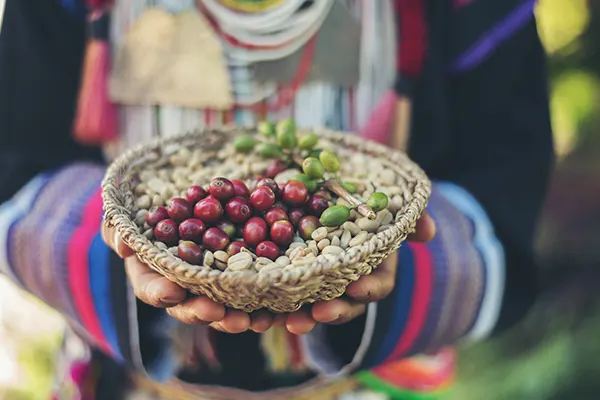
Harvest time, workers pick only ripe cherries by hand. Nothing gets stripped off early. Then wet processing happens—fruit comes off, everything gets washed, drying starts. That’s why Peruvian coffee tastes so clean compared to some other origins.
Sun drying, hand sorting, grading, shipping. People are involved every step paying actual attention. You can taste the difference between coffee that got handled carefully versus coffee that got rushed through to make a quota.
Why Peruvian Coffee Works Well in Offices
Once offices start serving Peruvian coffee, they rarely switch back. There’s definitely a pattern.
Flavor’s a big part of it. Every workplace has the person who drinks it black, the person who loads it with cream and sugar, and the coffee snob who cares about origin and roast dates. Peru somehow works for most of them. Not boring, not weird. Just good.
The ethical thing matters now too. Way more than it did five years ago. Employees notice when companies make choices that align with values. Organic coffee from small farmers getting fair pay? That registers.
Plus it’s reliable. You’re not going to suddenly lose supply or get a bad batch. That consistency matters when you’re providing coffee for a whole team. Nobody wants to hear complaints because this month’s coffee tastes different.
Brewing Peruvian Coffee for Optimal Taste
Good beans need decent brewing. Luckily Peru coffee beans are pretty forgiving. You don’t need to be super precise or they taste wrong.
Water quality matters way more than people think. Tap water tastes funky? Your coffee will too. Use filtered. Heat it to just under boiling—195 to 205 degrees. Medium grind works for most methods, adjust if needed.
Pour-over? About 16 parts water to 1 part coffee, three to four minutes total. French press needs coarser grounds, four-minute steep, then press. Don’t let it sit longer or it gets bitter.
Freshness is probably the biggest thing though. Coffee loses its magic within weeks of roasting. Doesn’t go bad, just gets less interesting. That’s why professional services schedule regular deliveries of fresh roasted beans. Good equipment set up right makes sure what comes out tastes like it should.
Understanding Coffee Origins Makes Better Choices
Coffee seems simple until you realize where it comes from actually matters. Every region produces different stuff based on altitude, climate, soil, processing. Peru’s just one example of how geography shapes what ends up in your cup.
Learning about origins helps people make smarter choices. Whether you’re buying beans for home or deciding what your office should serve, knowing where coffee comes from gives you context.
Choosing quality coffee—Peru, Colombia, Ethiopia, wherever—connects you to actual farmers and communities who care about what they do. Supports sustainable farming. Keeps traditional knowledge alive that’s been refined over generations.
Ready to Upgrade Your Office Coffee?
That first cup in the morning sets the whole tone. Bad coffee tells your team you don’t care about details. Good coffee shows you do.
Wake Up Coffee has been doing this for offices around Kitchener, Waterloo, Cambridge, and the GTA for over ten years. We know coffee origins, what actually tastes good, and what works in real office environments. Fresh roasted beans from solid sources, equipment that fits your team size, support when you need it.
Let’s talk about getting better coffee into your workplace. Coffee that respects the people growing it and the people drinking it. Reach out today.